Die Bühne ist offen, aber wer traut sich hinauf? – Fragerunden als Spiegel demokratischer Teilhabe
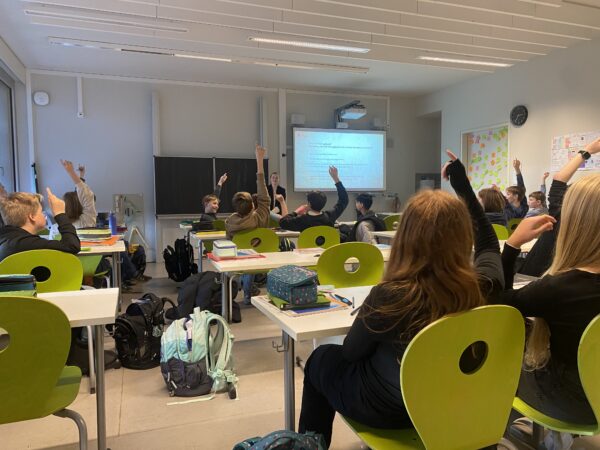
Jakob | Student – Soziologe Eine persönliche Perspektive von Jakob aus der soziologischen Forschung über Podiumsdiskussionen, soziale Bühnen und den Unterschied zwischen formaler Offenheit und tatsächlicher Teilhabegerechtigkeit. Sowie die Frage, warum Demokratie mehr braucht als eine Einladung zum Mitreden. Die Moderation bedankt sich bei allen Teilnehmenden der Podiumsdiskussion, dann wird die Fragerunde für das Publikum geöffnet. Meistens herrscht erst für ein paar Sekunden Ruhe, in anderen Momenten überträgt sich eine angespannte, kontroverse Debatte auch in viele eifrige Meldungen. Jetzt sollen alle die Möglichkeit haben, ihre eigenen Erfahrungen zu teilen und die Politiker*innen oder Expert*innen mit ihren eigenen Meinungen zu konfrontieren. Schon seit meiner frühen Jugend befand ich mich oft in der Situation, über eine mögliche Frage oder einen Beitrag nachzudenken. Je älter ich wurde, desto häufiger traute ich mich auch, in ein mir in die Hand gegebenes Mikrofon zu sprechen. Rückblickend kann die Situation der Fragerunde, die wahrscheinlich viele Menschen kennen, auch für etwas viel Größeres stehen: unsere Gesellschaft selbst. Der Soziologe Erving Goffman hat soziale Situationen einmal mit einem Theater verglichen. Dabei beschreibt er diese Situationen als Bühne, auf der Rollen verteilt sind, mit einem Publikum hier und Sprechenden dort, und mit Regeln, die selten ausgesprochen, aber von fast allen befolgt werden1. Was sich in diesen wenigen Minuten der Fragerunde abspielt, ist deshalb mehr als eine Randnotiz des Abends. Es ist ein kleines Abbild dessen, wie Teilhabe in unserer Gesellschaft insgesamt funktioniert. Formal ist die Bühne für alle offen. Jede*r darf das Mikrofon ergreifen, jede*r darf fragen. Und doch tun es meistens nur wenige. Die Philosophin Nancy Fraser hat für genau diese Kluft einen Begriff geprägt2: Sie unterscheidet zwischen einer formal offenen Öffentlichkeit und tatsächlicher Teilhabegerechtigkeit, also der Frage, ob Menschen nicht nur eingeladen werden, sondern auch wirklich in der Lage sind, gleichberechtigt mitzureden. Genau diese Lücke ist es, die mich an den Fragerunden interessiert. Woher kommt dieser Unterschied? Diese Frage begleitet mich nicht nur als jemanden, der selbst oft genug im Publikum gesessen hat, sondern auch als forschenden Soziologen. In meinem Studium habe ich gelernt, gerade an solchen Stellen genauer hinzusehen: Dort, wo etwas selbstverständlich erscheint, obwohl es das eigentlich nicht ist. Fragerunden wirken meistens offen, demokratisch und einladend. Aber wenn ich ehrlich bin, ertappe ich mich auch heute noch oft dabei, wie ich abwäge, ob sich mein Beitrag lohnt, ob meine Frage klug genug klingt oder ob ich in diesem Moment überhaupt das Recht habe, das Mikrofon zu nehmen. Genau hier trennt sich die formale von der tatsächlichen Teilhabe. Formal ist die Einladung an alle gleich: dasselbe Mikrofon, dieselbe Redezeit, dasselbe Recht auf eine Frage. Tatsächlich wird sie aber sehr ungleich genutzt, was selten mit fehlendem Interesse zu tun hat. Der Soziologe Pierre Bourdieu würde stattdessen vermutlich von kulturellem Kapital sprechen: von der Übung, den Vorbildern als junger Mensch, dem eingeübten Gefühl, dass man in einer solchen Situation sprechen darf und kann3. Aber auch von dem “richtigen” Vokabular und den passenden, an die Rolle angelehnten Verhaltensregeln. Wer in der Jugend selten erlebt hat, dass die eigene Meinung zählt, wer nie gesehen hat, dass Menschen mit den gleichen Hintergründen das Mikrofon in die Hand nehmen, für den ist der Schritt von der Zuschauer*innen- in die Sprecher*innenrolle ungleich größer als für jemanden, der genau das schon oft eingeübt hat. Es geht dabei aber nicht nur darum, ob man sich traut, sondern auch, wie man sprechen darf, wenn man es tut. Die Philosophin Iris Marion Young hat kritisiert, dass viele demokratische Formate stillschweigend eine bestimmte Art zu sprechen bevorzugen: sachlich, argumentativ, distanziert4. Wer eher erzählt statt argumentiert, wer emotional statt nüchtern spricht, läuft Gefahr, nicht als “legitimer” Redebeitrag wahrgenommen zu werden, selbst wenn das Mikrofon längst in der Hand liegt. Aus meiner eigenen Forschung kenne ich diese Kluft nur zu gut. Dort nennt man sie nur anders. Auch in der Wissenschaft gibt es die Frage, wer denn eigentlich antwortet, wenn gefragt wird. Wer nimmt an Umfragen teil, wer lässt sich auf ein Interview ein, in welche Milieus dringt man mit seiner Forschung überhaupt vor? Der Wissenschaftssoziologe Thomas Gieryn beschreibt zum Beispiel, wie ständig neu verhandelt wird, wer als legitime Stimme in der Wissensproduktion gilt und wer nicht, ein Prozess, den er “boundary work”, also “(Ab-)Grenzarbeit” nennt5. Citizen Science, also Formate, in denen Bürger*innen selbst an Forschung mitwirken, gilt als vielversprechende Idee, Wissenschaft und Gesellschaft näher zusammenzubringen. Doch auch hier zeigt sich oft dasselbe Muster wie bei der Fragerunde: Erreicht werden vor allem die, die ohnehin schon wissen, dass ihre Beteiligung erwünscht und ihre Stimme relevant ist. Wer sich für Wissenschaft ohnehin schon interessiert, findet den Weg in solche Projekte. Wer sich davon ausgeschlossen fühlt, bleibt eher fern. Diese Erkenntnis stellt auch mich selbst, beziehungsweise jegliche demokratische Arbeit, infrage. Wenn Teilhabe nicht allein durch offene Formate entsteht, sondern von Übung, Vorbildern und dem Gefühl abhängt, gemeint zu sein, dann reicht es nicht, eine Bühne zu öffnen und zu hoffen, dass sich alle gleichermaßen angesprochen fühlen. Auch ich merke immer wieder, wie leicht man selbst zu denen gehört, die eine solche Bühne mitgestalten, ohne zu bemerken, wie unzugänglich sie für andere wirken kann. Der Soziologe und Linguist Basil Bernstein hat schon in den 1970er-Jahren gezeigt, dass Bildungssprache, also der sogenannte elaborierte Code, vor allem denjenigen leicht fällt, die in einem entsprechenden Milieu aufgewachsen sind, während sie für andere eine echte Hürde bedeutet6. Bei öffentlichen Veranstaltungen erlebe ich das oft: Man spricht über Teilhabe, über Zugänglichkeit, über Demokratie und erreicht damit doch meist ein Publikum, das ohnehin schon gebildet, ohnehin schon bürgerlich, ohnehin schon überzeugt ist. Der Anspruch, für alle verständlich zu sein, und die tatsächliche Sprache, die man spricht, klaffen auseinander – bei mir genauso wie bei der Bühne, von der ich eingangs erzählt habe. Der soziologische Blick und meine Forschung helfen mir, solche Muster überhaupt erst zu erkennen. Sie schützen mich aber nicht davor, sie selbst mitzutragen. Was helfen kann, diese Kluft wenigstens ein Stück zu verkleinern, ist aktiv auf Menschen zuzugehen, statt zu warten, dass sie von selbst kommen. Es geht darum, beispielsweise Citizen-Science-Formate so zu gestalten, dass sie